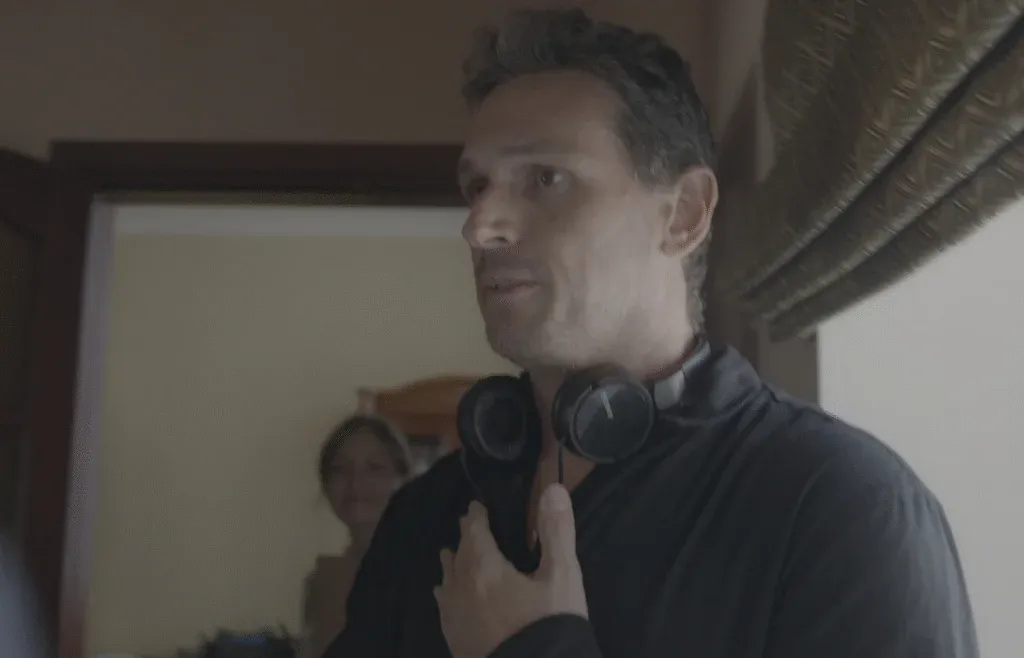
Giancarlo Bianchi
Director / Producer/Writer
Italian-Guatemalan filmmaker and visual storyteller with 15+ years directing narrative and documentary content across Europe and Latin America.
Academic & Professional Background
- Degree of Screenwriting and Direction in Centre d’Estudis Cinematografics de Catalunya.
- 15+ years as Director and Director of Photography of high-budget international campaigns for Major brands across automotive, technology, lifestyle sectors.
- Multilingual production environments.
- International logistics.
Portfolio & Experience
- High-budget productions requiring precision & accountability.
- Multicultural teams across Europe & Latin America Documentary & Narrative Work.
- Expertise in character-driven, intimate visual storytelling.
- Socially-engaged content with human rights themes.
- Intimate, observational filming style.
Relevant Skills for This Project
- Cinematographic excellence: Crafting visual poetry from difficult realities.
- Trauma-informed filming: Understanding when to film, when to stop, when to protect.
- Ethical instinct: Knowing the difference between capturing truth and exploiting pain.
- Cross-cultural sensitivity: Navigating Ukrainian, European, and international contexts.
- Resilience under pressure: Maintaining creative vision while operating in conflict zone.
- Collaborative leadership: Building trust with subjects, partners, and crews. 15+ years directing international campaigns requiring precision logistics.
Why This Project
From the moment I learned what was happening to children in Ukraine, and that despite the ICC arrest warrant against Putin, we in the West not only do nothing but remain largely unaware, I took it as my mission to expose what is happening there and what these children are suffering.
This is the absolute violation of all their rights and the erasure of the most sacred thing each individual possesses: their identity.
This problem doesn’t end with a ceasefire or a peace treaty. It doesn’t even end when all the children are returned, after that comes the enormous work of healing and recovery. As the West, we must show support so these children can regain trust, love, hope, so they don’t become a lost generation.
This film is not about documenting a crisis from a distance. It’s about bearing witness in a way that demands accountability, restores dignity, and refuses to let the world look away. That intersection: where art becomes evidence, where cinema becomes conscience is where I needed to be.